Empowering Families: Navigating Autism Resources and Building Inclusive Communities
Unlocking the door to a deeper understanding of autism is not just a goal; it's an essential journey for families grappling with the myriad of challenges that autism presents. As you navigate this path, it becomes crucial to confront autism head-on, using tools and resources that foster growth, learning, and connection. With the right autism resources for families, we can dismantle the daunting stigmas, enrich our communities, and empower individuals affected by autism. Have you ever thought about how interconnected we all are, especially when it comes to mental wellness and support?
In recent years, an increased focus on autism assistance has made a significant impact in the landscape of autism education and awareness programs. Countless families now have access to a wealth of autism information that can guide their journey. However, the question remains: how can we ensure that these resources are reaching everyone? This isn’t just about having access; it’s about nurturing an autism network that ensures all families—including those from diverse backgrounds—feel supported and equipped with the autism tools they need. Imagine a community where every individual, regardless of their challenges, is embraced and celebrated for who they are. How would that shift the narrative around disability assistance?
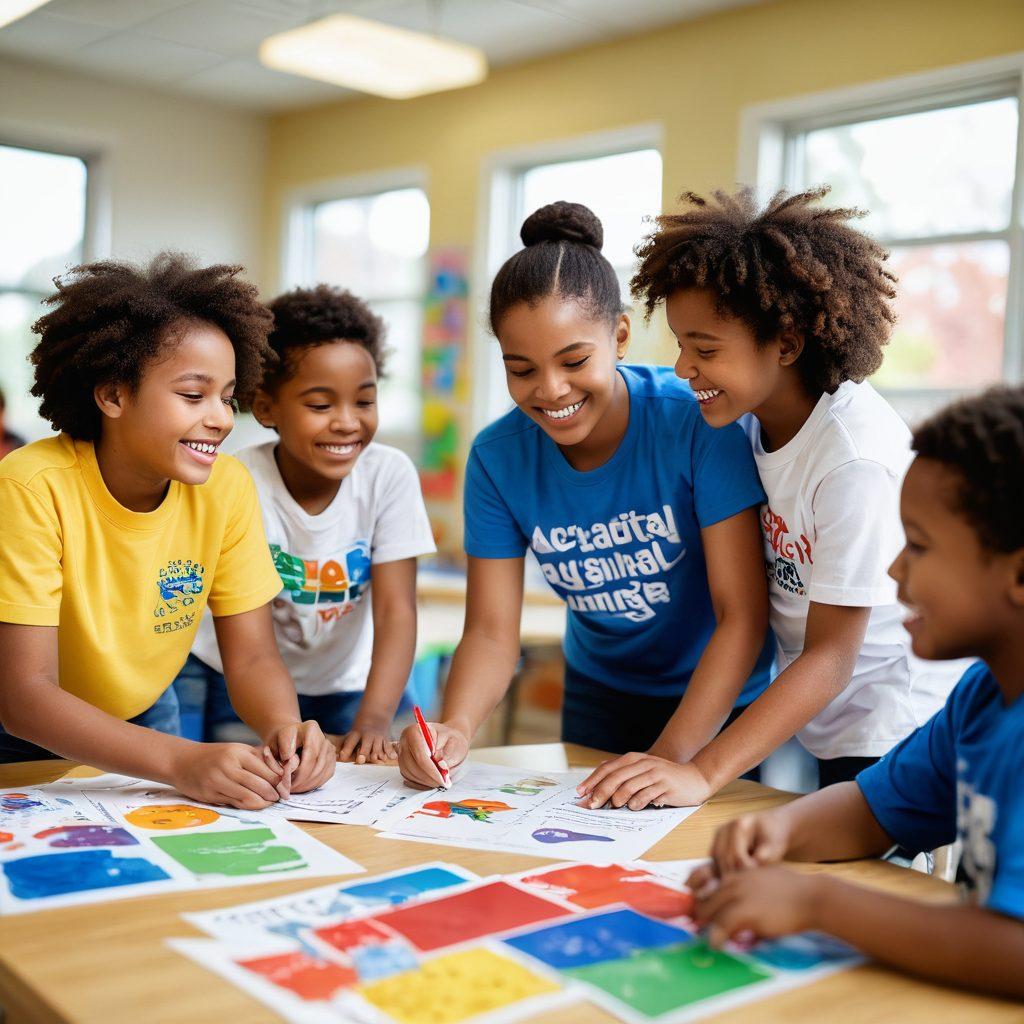
One of the most effective ways to foster an inclusive community is through hands-on engagement and storytelling. Take, for example, a local autism awareness campaign that not only educates the public but also highlights the personal experiences of those living with autism. What if every school had an autism program that invited parents and children to participate in workshops designed to facilitate understanding and acceptance? This kind of community support for autism not only empowers families but also cultivates empathy and neurodiversity support at large. It beckons the question: how can we each play a role in building these bridges of understanding?
Our journeys are intertwined, especially when we consider the intersection of autism and mental health. Families often seek autism help as they navigate the complexities of their loved one's mental health needs. It’s uplifting to witness the growth of mental health advocacy programs that center autistic voices and experiences. These programs provide tangible support and promote mental wellness, making a case for why community involvement is pivotal. Together, we can learn and share resources that enhance our understanding of autism's diverse spectrum. How can we harness these experiences to create lasting connections that uplift those around us?
As we unlock the treasures of autism resources, it’s essential for families to recognize their power as advocates and educators within their spheres of influence. By becoming informed about autism tools and available support systems, families can take proactive steps to foster inclusivity. It’s not just about individual success; it’s about collective growth and the constant promotion of autism awareness campaigns that celebrate neurodiversity. Each of us has a part to play in fostering an environment that respects and includes individuals with special needs. So, let’s embrace this challenge and embark on this journey together—building connections, fostering understanding, and ensuring that every family feels empowered to navigate the world of autism.
Building Bridges: Creating Inclusive Spaces for Neurodiversity Support
Building bridges within our communities is not just a metaphor; it’s a necessity when navigating the complex landscape of autism resources and support. For families confronted with autism, the journey can be overwhelming, filled with challenges and the constant search for autism assistance and autism education. Yet, within these struggles lies an opportunity for growth, connection, and profound understanding. As we delve into creating inclusive spaces for neurodiversity support, let’s explore how we can foster environments where every individual is celebrated, not just supported.
Imagine walking into a community space where your child with autism feels at home, surrounded by understanding and acceptance. Does that sound ideal? This vision is not out of reach. Community support for autism can be forged through thoughtful programs that prioritize disability assistance and mental wellness. By engaging local organizations and creating partnerships within our autism network, we can develop autism programs that not only educate but also promote mental health advocacy and uplift families navigating autism information.
One powerful way to build these inclusive spaces is by harnessing the essence of storytelling. Stories have the ability to connect us, foster empathy, and break down barriers. When we share our experiences navigating autism tools or seeking autism help, we open doors for others to walk through. Remember the quote by Anne Frank, "No one has ever become poor by giving." What if we gave our stories a voice? Wouldn’t that enrich our communities and develop deeper autism connections?
To create a truly inclusive community, consistent autism awareness campaigns play a crucial role. These campaigns can promote the values of neurodiversity support, ensuring that everyone understands the importance of acceptance. Engaging community members in workshops that emphasize special needs support not only raises awareness but also cultivates allies who can advocate for individuals with autism. Picture the shift in mindset if we could turn apprehension into understanding, transforming our communities into safe havens for all.
Finally, let’s not forget that resources are the backbone of support for families. An effective way to confront autism with confidence is by ensuring families have access to robust autism resources for families. Imagine a community center equipped with all the autism tools anyone could need—a library of autism education materials, local support groups, and access to specialists. This can be a reality. By taking collective action and nurturing an inclusive community, we can look forward to a brighter future where every family feels empowered to tackle any challenges that arise.
Empowering Change: Advocacy and Autism Education for Mental Wellness
Imagine a world where every family touched by autism feels empowered, informed, and connected—a world where autism resources align seamlessly with the needs of those affected. As we delve into the intricate worlds of advocacy and autism education, it's crucial to understand how confronting autism is not a solitary journey, but a shared mission within communities. These resources aren't just about diagnosis and therapy; they’re about building a bridge to mental wellness and fostering inclusive communities. Are you ready to embark on this journey?
Mental wellness is a fundamental pillar particularly for families navigating autism. Advocating for mental health requires not just awareness but action. Engaging in autism education programs can offer families invaluable autism information that helps in understanding the unique challenges faced by neurodivergent individuals. As we explore disability assistance and autism tools, consider the myriad of ways we can contribute to autism advocacy. For instance, have you ever thought about how sharing your story can educate and uplift those around you?
The beauty of an inclusive community lies in its diversity and support systems. When communities come together, they forge autism connections that transcend barriers. Community support for autism is vital; families that feel isolated can find strength in collective experiences. Think of an autism network where experiences are shared, challenges met with empathy, and solutions discovered together. How can you become an advocate in your own community? Perhaps joining local autism awareness campaigns can help raise consciousness and foster understanding!
As parents and caregivers, our role extends beyond raising awareness; it entails seeking autism help and guidance to ensure our loved ones thrive. Autism programs dedicated to mental health advocacy allow families to tap into vital support systems. Imagine a parent discovering a local autism resource for families that not only provides information but also a safe space to share fears, triumphs, and everything in between. Every small action contributes to a larger narrative of hope and empowerment.
Lastly, we must recognize the power of continuous learning. Autism education goes beyond mere knowledge. It's about embracing the concept of neurodiversity support, promoting an environment where every mind is valued. Your journey can lead to significant mental wellness outcomes for yourself and for those you advocate. What resources will you choose to engage with? What stories will you share to empower those around you? By joining hands with others in this endeavor, we not only confront autism, but we also celebrate our differences—and in doing so, we find our greatest strength.